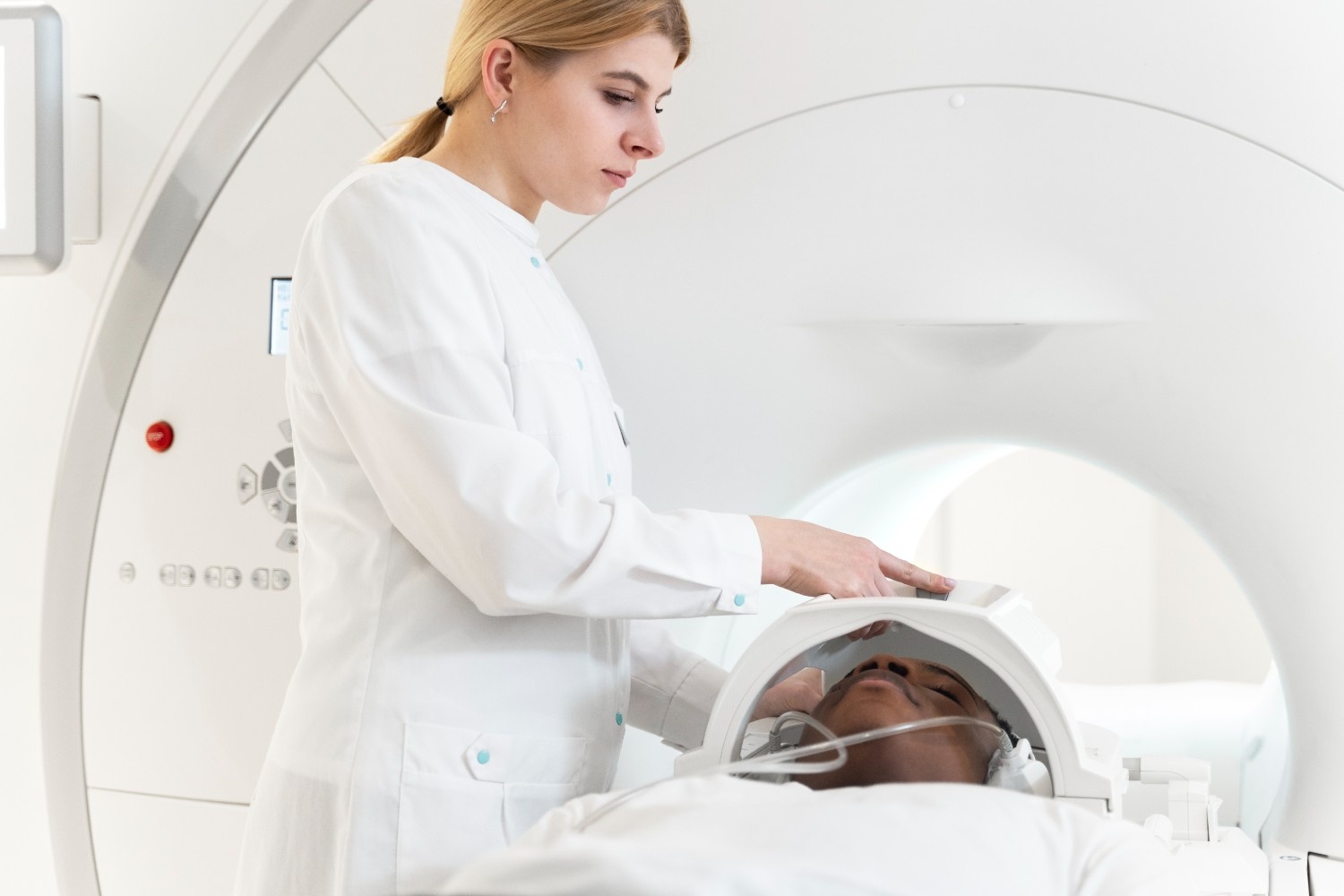
Radiotherapy in Cancer Care
- 17th February 2022
- Comments (0)
- Not Available!

Radiotherapy is an integral part of treatment in cancer treatment
Radiation therapy uses waves of energy, such as light or heat, to treat cancers and other tumors. Form of radiation used in cancer therapy is a high-energy type known as ionizing radiation also popularly called as photons or x-rays.
Radiation breaks up the DNA of cancer cells leading to disrupt in their growth and division. In this way, radiation can kill cancer cells, preventing or slowing down the spread of the disease.
Radiation therapy may be prescribed alone, but usually, it is recommended in combination with other treatments, such as chemotherapy, immunotherapy, chemoimmunotherapy, surgery, or all of them combined together.
Side effects
All treatments come with their share of side effects. Radiation do affect healthy cells as well it does harm to cancerous ones. When this happens, a person experiences adverse event.
Specific side effects depend on variety of factors such as the area receiving treatment, patient’s overall health and the type and doses of radiation.
It can be broadly divided into two types.
A. Short term side effects
They can include:
1. fatigue and drowsiness
2. hair loss
3. diarrhea
4. skin changes
5. nausea and vomiting
B. Long term side effects
They can include:
1. heart or lung problems, in case of radiation to chest
2. thyroid problems, leading to hormonal changes, in radiation given to head and neck area
3. lymphedema, which involves lymph fluid building up and causing pain, in case of history of irradiating limbs
4. hormonal changes, including a possibility of early menopause, from radiation in the pelvic area
5. there is a minor chance that high doses of radiation in certain areas can increase the risk of developing another form of cancer in the previously irradiated area. The treating radiation oncologist will provide more specific information and help with weighing the risks and benefits.
Although it is important to note down here that not everyone who has radiation therapy experiences long term side effects. The risk depends on the doses, the area of treatment, and other individual factors.
Radiotherapy and other cancer treatments
Radiation therapy is one of several cancer treatments. A doctor may prescribe these separately or in combination.
Apart from radiation as a cancer treatment, a person may have:
1. surgery
- chemotherapy
- hormone therapy
- targeted therapy/immunotherapy
The treatment plan will depend on the type of cancer, among other factors.
When a person receives radiation therapy and chemotherapy at the same time, the doctor may call this as “concurrent chemoradiation.” It may lead to severe adverse effects.
When cancer is at an early stage, a person may have radiation therapy before surgery, to reduce the size of a tumor. Or, they may have it after surgery to help remove any remaining cancerous cells.
Radiation is only effective in targeted areas. It is less effective when cancer has spread to distant parts of the body.
Types of radiation
There are two forms of radiation therapy.
External beam radiation therapy (EBRT)
This is the most common type. It involves an external machine emitting a beam of radiation that targets the treatment area.
Different forms are available, depending on the need. High-energy beams, for example, can target cancer that is deeper within the body.
Variety of machines can deliver radiation. Two most common of them are Cobalt-60 and LINACs (Linear accelerators).
Internal radiation therapy (Brachytherapy)
There are different types of internal radiation therapy. Both involve implanting or introducing a radioactive substance into the body.
Brachytherapy involves inserting a radioactive implant in or close to the cancerous tissue. The implant may be temporary or permanent.
The goal is to limit the extent to which healthy tissue around the cancer is exposed to the radiation. Doctors may recommend this treatment for prostate, cervical, or endometrial cancer, for example.
A doctor may recommend undergoing both main types of radiation therapy. The decision will depend on:
- the type of cancer
- the size of the tumor
- the tumor’s location, including the types of tissue nearby
- the person’s age and overall health
- other treatments
By Dr Tejas Pandya , Radiation Oncologist





Leave Comment